Leave no trace guide: seven principles for enjoying the outdoors without becoming the story
Key Takeaways
A little thought before we leave home can make an outdoor trip kinder to the place and more enjoyable for everyone. These seven principles help us keep our footprint small, whether we’re heading out for a day walk or an overnight camp.
- Check local rules, conditions and likely delays before setting out.
- Use established trails and campsites where they’re available, and take care around fragile ground.
- Pack out rubbish and deal with human waste and washing according to local guidance.
- Leave natural and historic features where we find them, and keep fires small or skip them.
- Give wildlife and other visitors room, quiet and respect.
Plan ahead and prepare
A rewarding trip often starts at the kitchen table, with a map, a forecast and an honest look at what the group can manage. Conditions can change quickly in Tasmania, and a familiar track may still be affected by weather or access restrictions. We can reduce last-minute surprises by checking reliable local information and matching our plans to the people coming along. That preparation also helps us make choices that are gentler on the places we visit.
Check regulations, weather, and trail conditions before you go
Before setting off, check the rules for the area and any current alerts or closures. Look at the forecast for the route and the time you expect to be there, rather than relying on a quick glance at the sky from home. If a track is closed or conditions are beyond the group’s comfort, changing plans is sensible, not a failure of ambition. A flexible route plan gives us room to choose a safer, lower-impact option without improvising at the trailhead.
Choose gear and food that suit the trip
The right kit depends on the route, the forecast, the length of the outing and the group’s experience. We can avoid carrying unnecessary packaging by portioning food at home, while still bringing enough to cover a delay. Check that footwear and clothing suit the ground and likely weather, and bring a way to navigate that does not rely on a mobile signal. Sensible preparation keeps small problems from becoming reasons to leave gear or rubbish behind.
Build a backup plan for delays and emergencies
A backup plan needn’t be elaborate: decide where we’ll turn back, what we’ll do if the route takes longer than expected, and who should know our plans. Allow enough time to reach the destination without rushing into dusk or bad weather. It’s also useful to agree on a meeting point if the group becomes separated. When everyone knows the plan, we’re less likely to make a hurried decision that affects the landscape or other visitors.
Travel and camp on durable surfaces
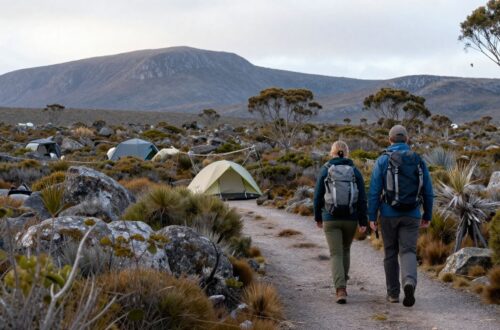
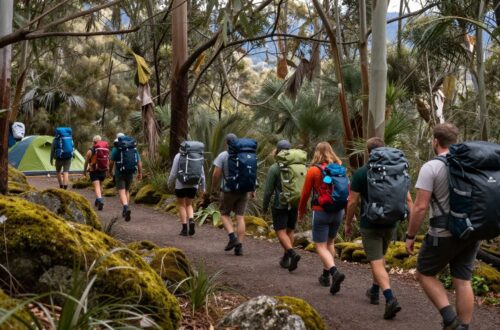
Where we walk and pitch a tent matters, especially when repeated footsteps can wear away vegetation and expose soil. In popular areas, established tracks and designated sites help keep use concentrated. In less-used places, we still need to avoid turning a delicate patch into a new path or campsite. The aim is to enjoy the outdoors without leaving a trail of our own making.
Stick to established trails and campsites
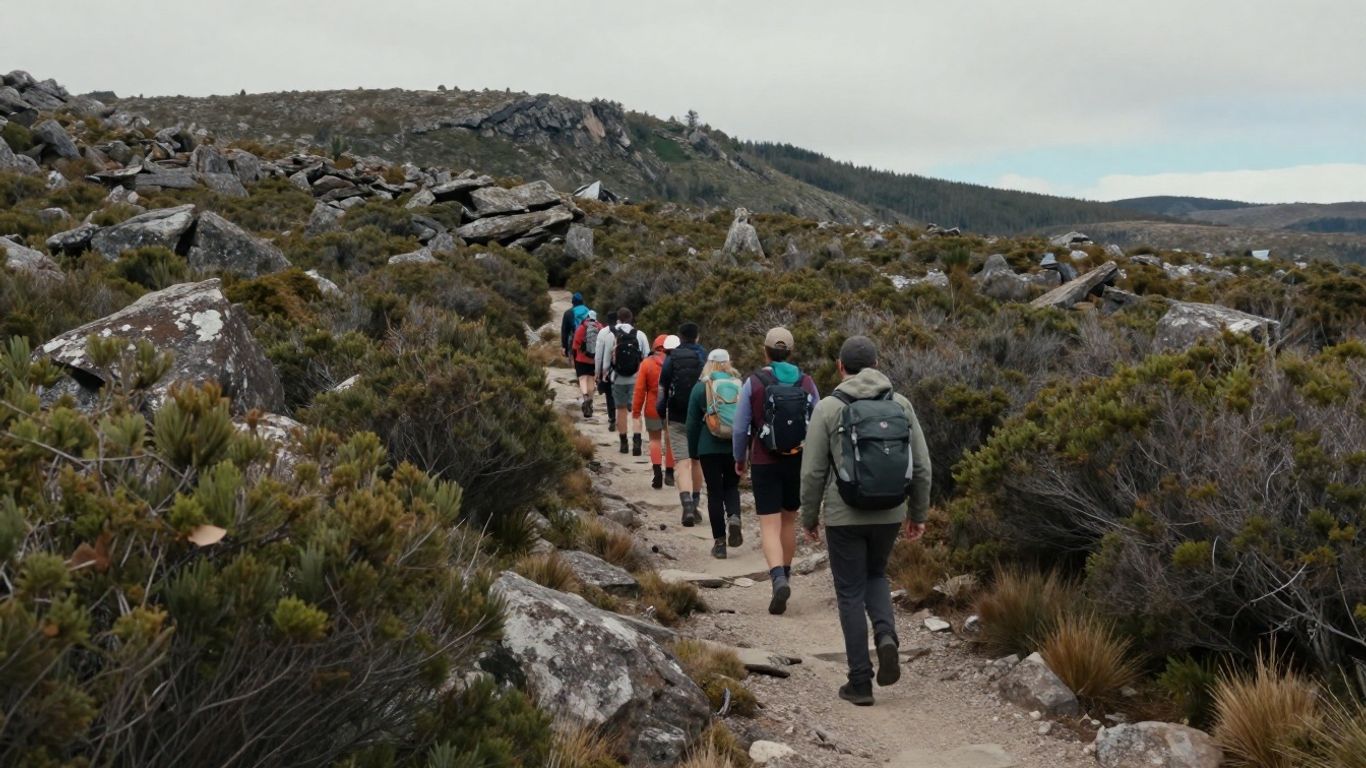
On a marked track, staying on the formed surface helps prevent widening, erosion and damage to plants at the edges. If it’s muddy, walking through the mud is usually better than cutting around it and creating a second track. At camp, use an existing designated site where one is provided, and keep tents and cooking areas within its established footprint. A good campsite is generally found rather than improved with a shovel.
Spread out in sturdy, untrampled areas when traveling off-trail
Some trips take us away from formed tracks, where there may be no established route to follow. Choose firm, durable ground and avoid places where vegetation is easily crushed or signs of wear are beginning to appear. When the terrain allows, spreading people out can reduce the repeated trampling of one narrow line. The best choice depends on the ground beneath us, so pause and look before moving on.
Protect fragile places such as wetlands and desert crusts
Wetlands, soft banks and delicate ground cover can be damaged by a single careless shortcut, then take a long time to recover. Keep to firmer ground and follow signs or local guidance about access and camping. In Tasmania, conditions and landscapes vary widely, so we should not assume that a route that looks sturdy is resilient. Where the surface is fragile, turning around is a perfectly respectable outdoor skill.
Dispose of waste properly
What we carry in should not become someone else’s discovery. Rubbish, leftover food and hygiene products can spoil a campsite and affect wildlife, even when they seem small or biodegradable. We can make waste easier to manage by planning for it before the pack is full. Local facilities and site rules differ, so check what applies to the place we’re visiting.
Pack out trash, food scraps, and hygiene products
Bring a bag or container for rubbish and use it for scraps as well as wrappers. Food remnants can attract animals, and items that look natural may still take a long time to break down. A quick sweep of the picnic spot and camp before leaving catches the small things that are easy to miss. A compact pack-out routine can help us keep the area tidy:
- Check around the cooking and eating spots.
- Pack out food scraps and leftover portions.
- Collect wrappers, tissues and hygiene products.
- Look over the campsite once more before departure.
That last check is worth the few seconds it takes. If we find rubbish left by someone else, taking it out when practical can help restore the place, though we should not handle anything unsafe.
Handle human waste according to local rules
Facilities are the simplest option where they’re available. Away from facilities, the correct approach can depend on the location, land manager and conditions, so we should check local instructions before leaving home. Some places require waste to be carried out; others specify how and where it may be buried. Toilet paper and hygiene products should be managed as the rules direct, not left behind or tucked under a rock.
Wash dishes and yourself well away from water sources
Soap, food particles and sunscreen can affect waterways, so keep washing well away from streams, lakes and other water sources. Use only a small amount of water and follow the site’s guidance on washing and disposal. For dishes, scrape food scraps into the rubbish bag before washing, rather than rinsing them into the ground or water. A little care at camp helps keep the water and its edges in better condition.
Leave what you find
Natural features and traces of human history belong to the place, not to our pack. It can be tempting to take a pretty stone or rearrange branches for a photograph, but those small acts add up when many people do them. We can enjoy a discovery just as much by noticing its details and leaving it where it is. That way, the next visitor has a chance to find it too.
Enjoy rocks, plants, and historic objects where they are
A photograph or a moment of close observation can make a fine souvenir without removing anything. Leave plants rooted, rocks in place and historic objects undisturbed, even if they seem ordinary or abandoned. Moving an object can also change the setting that gives it meaning. We can take home the memory and let the place keep the rest.
Avoid digging trenches or building souvenir cairns
Digging around a tent or rearranging the ground leaves marks that outlast the trip. Cairns built for decoration can be confused with route markers or disturb the stones and habitat around them. Use established sites as they are, and avoid making alterations just to suit our preferences. A comfortable camp does not need to look like a renovation project.
Keep natural materials in place for the next visitor
Logs, leaves and fallen branches provide shelter and habitat, even when they look like convenient camp furniture or firewood. Leave them where they are unless local rules say otherwise. When we resist the urge to collect or rearrange natural materials, we help keep the setting intact for wildlife and other visitors. It’s a simple way to leave the place looking much as we found it.
Minimize campfire impacts
A campfire can feel like part of the ritual, but it is not always appropriate or permitted. Dry conditions, local restrictions and the location of a campsite all matter. We should check the rules before we decide whether a fire belongs in the plan at all. A stove can often meet practical needs without leaving a fire scar behind.
Check fire restrictions before striking a match
Fire rules can vary by area and change with conditions, so check current advice from the relevant land manager before lighting anything. Follow any signs at the site, and don’t assume that an existing fire ring means a fire is allowed today. If restrictions prohibit fires, or the ground is dry and vulnerable, leave the matches packed away. There are plenty of ways to enjoy camp without adding smoke to the evening.
Use a stove when a fire is unnecessary or unsafe
For cooking and hot drinks, a suitable camp stove can be a practical alternative to an open fire. Use it only where permitted, on a stable surface, and according to its instructions. Keeping meals simple can make cooking easier and reduce the temptation to burn packaging or scraps. When a fire is not needed, skipping it is the clearest way to avoid its impacts.
Keep fires small and extinguish them completely
Where fires are allowed, keep one small and contained, and use only the materials permitted at that site. Never leave it unattended. Before leaving, follow local guidance to put it out thoroughly and check that no heat or embers remain. If we cannot be confident it is fully out, we are not finished with the job.
Respect wildlife
Seeing an animal in its own habitat is a privilege, not an invitation to move closer. Our choices around food, noise and pets can affect whether wildlife keeps its natural habits or starts associating people with a meal. Give animals space and let them decide how near they want to be. The most memorable encounter is often the one we didn’t try to direct.
Observe animals from a distance instead of auditioning for a nature documentary
Watch quietly from a distance that does not change the animal’s behaviour. If it stops feeding, moves away or seems unsettled, we’re too close and should retreat. Don’t follow an animal for a better view or try to attract it with food. Binoculars and patience make better tools than a dramatic approach.
Store food securely to prevent wildlife encounters
Keep food and scented items secured when they’re not in use, following the storage rules for the area. Don’t leave snacks on a table or in an open bag while we wander off; wildlife can be quick, and an easy meal can encourage repeat visits. Pack away rubbish and food scraps promptly as well. Good storage protects both our supplies and the animals that live nearby.
Leave pets at home or keep them controlled where allowed
Not every track or reserve allows pets, so check local rules before bringing one along. Where dogs are permitted, keep them under control and follow requirements for leads and waste. A dog chasing wildlife or approaching other walkers can turn a peaceful visit into a stressful one. If the setting is unsuitable, leaving a pet at home is the more considerate choice.
Be considerate of other visitors
Outdoor places are shared, even when we’ve walked a long way to reach them. People come for different reasons: a quiet hour, a challenging climb, time with family or simply a change of scenery. A little awareness helps everyone make room for one another. We don’t need to stage-manage the whole track to be good company on it.
Keep noise low and give others room to enjoy the quiet
Conversation is part of a walk, but loud music and shouting can carry a long way in open country. Keep our voices and devices at a level that suits the surroundings, and give other groups space when we stop. Quiet is one of the few things a trail can offer without carrying it in a pack. We can leave some of it for the people behind us.
Yield on trails according to local etiquette
Track etiquette can vary with the route and the people using it, so follow posted guidance and communicate clearly. Slow down when passing, make room where it is safe, and be courteous rather than assuming everyone knows our preferred rule. On narrow or uneven ground, a brief pause can prevent a clumsy shuffle at the edge. A friendly greeting does wonders without needing a committee meeting.
Share campsites and viewpoints without turning them into your private stage
At a busy lookout or campsite, keep our gear and group within a reasonable space and leave room for others to enjoy the spot. Avoid blocking access for a photograph or spreading belongings across an entire rest area. If the place is crowded, a shorter stop can let more people experience it. Shared space works best when nobody has to negotiate with a tent, a speaker and a carefully arranged collection of snacks.
Conclusion
A good trip does not have to leave a mark to be memorable. When we plan thoughtfully, tread carefully, pack out our waste and give people and wildlife room, we help keep outdoor places welcoming and resilient. We can carry the experience home and leave the landscape ready for whoever comes next.
Frequently Asked Questions
What does a leave no trace guide help us do?
It offers practical ways to reduce the effects of hiking and camping on natural places, wildlife and other visitors. The details can vary by location, so local rules remain important.
What should we check before a hike or camping trip?
Check access rules, weather, track conditions and any current alerts. It also helps to match the route and equipment to the group and to have a backup plan.
Should we walk around muddy sections of a track?
Where it is safe, staying on the formed track rather than cutting around mud helps avoid widening it. Follow local signs and use your judgement if conditions make the route unsafe.
What should we do with food scraps and rubbish?
Pack them out rather than leaving them at the site. Before leaving, check the cooking area, rest stops and campsite for scraps or small pieces of rubbish.
How should we manage human waste outdoors?
Use facilities when they’re available and follow the local land manager’s instructions elsewhere. Requirements differ between places, so check before the trip rather than relying on a single method.
Is it always okay to have a campfire?
No. Rules and conditions vary, and fires may be restricted or unsuitable. Check current local advice and use a stove where a fire is not allowed or needed.
How can we respect wildlife and other visitors?
Observe animals from a distance, secure food, and keep pets controlled where they’re permitted. Keep noise and gear considerate, and make room for others to enjoy shared tracks and campsites.

You May Also Like
Leave no trace guide: How to enjoy the outdoors without leaving your manners behind
The leave no trace guide: How to enjoy the outdoors without becoming the plot twist