Leave no trace guide: How to enjoy the outdoors without leaving your manners behind
Key Takeaways
A considerate outdoor trip begins before we reach the trailhead. We can protect wild places through small, deliberate choices about planning, movement, camp, waste, wildlife, and other visitors.
- Plan around local conditions, rules, weather, and the abilities of the group.
- Use established trails and durable surfaces rather than creating new tracks.
- Carry out rubbish, food scraps, hygiene products, and anything else we carry in.
- Give wildlife, plants, cultural places, and fellow visitors plenty of room.
- Treat Leave No Trace as a practical habit, not a performance of wilderness perfection.
Start with the seven principles—and the right mindset
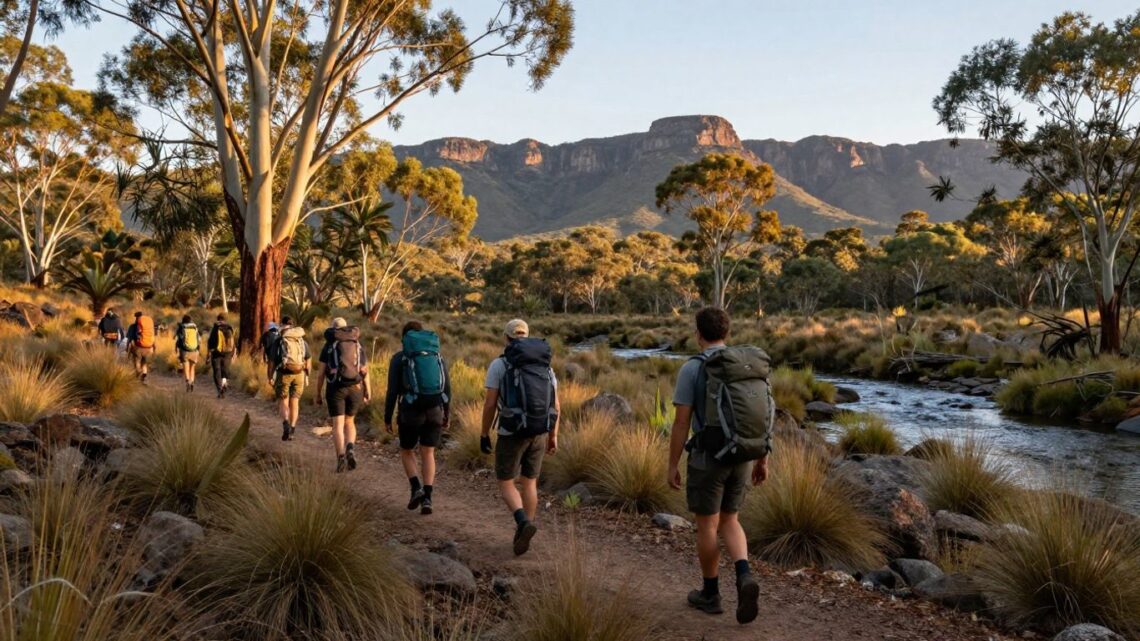
Leave No Trace is less about being spotless and more about being thoughtful. The seven principles give us a useful way to make decisions when a track is muddy, a campsite is crowded, or the weather changes its mind halfway through lunch. In Tasmania, where conditions can shift quickly and fragile landscapes sit close to busy towns, good manners outdoors begin with preparation.
Plan ahead so “winging it” does not become an environmental strategy
A little planning prevents a surprising amount of damage. Before leaving, we check the forecast, access notes, track conditions, fire restrictions, water availability, and whether permits or bookings apply. We also make sure the group understands the route and has enough time to turn around without turning a walk into a desperate race for daylight.
Planning includes the unglamorous details: how food will be stored, what happens if toilets are unavailable, and which items will come home in our packs. Good preparation reduces improvisation, and improvisation is often where wrappers, shortcuts, and poor decisions begin.
Travel and camp on durable surfaces
Durable surfaces can handle repeated footsteps and furniture better than living ground can. Established tracks, hardened campsites, rock, sand, and dry grass are generally preferable to soft plants, moss, wetlands, and exposed soil, but local guidance always comes first. A surface that looks tough may be hiding slow-growing vegetation or a delicate crust.
We avoid widening tracks by walking around puddles and avoid making a new campsite beside an existing one simply because it has a nicer view. The aim is to keep impact compact and predictable, rather than spreading our presence across a larger patch of country.
Dispose of waste properly, including the tiny stuff
“Pack it in, pack it out” includes more than bottles and obvious rubbish. Food crumbs, tissues, fruit stickers, wet wipes, twist ties, and broken tent pegs all count. Biodegradable does not mean harmless in every setting; a banana peel can still look like an invitation to wildlife and can take a long time to disappear in cool conditions.
We carry a small rubbish bag inside the pack so that waste has a home before it becomes a pocket mystery. If we find a small item left by someone else and can safely carry it, taking it out is a quiet kindness to the next group.
Leave what you find and keep souvenirs in your camera roll
Natural objects belong to the landscape that made them interesting. Flowers, feathers, shells, antlers, stones, fossils, and fallen timber all provide shelter, nutrients, clues, or habitat for something else. Removing one item rarely feels dramatic, yet thousands of visitors can turn that habit into a slow stripping of place.
We photograph unusual finds instead. A picture keeps the memory without taking the evidence, and it leaves the next walker with the pleasure of discovering the same detail for themselves.
Plan a lower-impact outdoor adventure
Responsible travel is not limited to what happens once our boots touch the track. The route we choose, the timing of the visit, and the equipment we bring can determine whether our presence is barely noticeable or awkwardly crowded. A good plan leaves room for changing conditions rather than pretending every outing will follow the brochure.
Check regulations, closures, permits, and local guidance
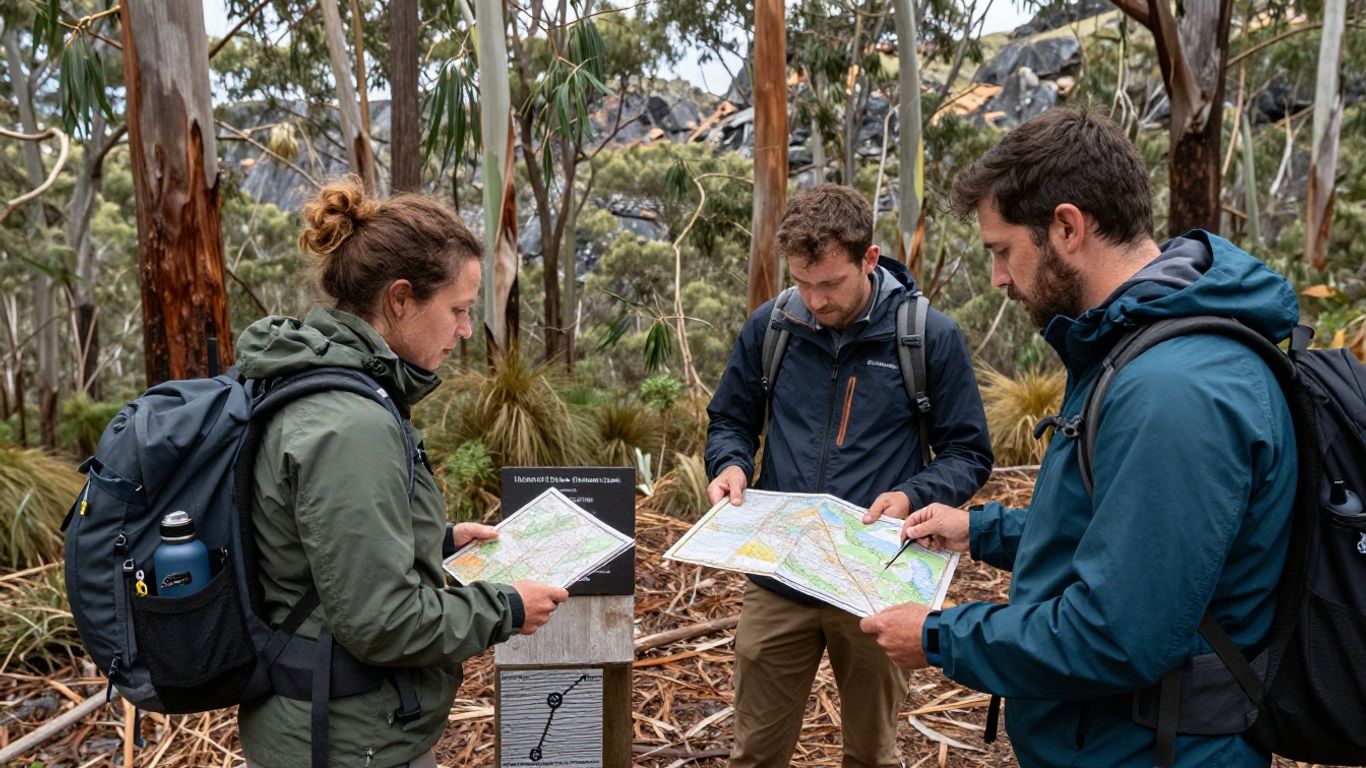
Rules vary between parks, reserves, private land, beaches, and alpine areas, and they can change with fire danger, storms, flooding, pest control, or track work. We check the relevant land manager before departure and read signs at the access point rather than assuming yesterday’s information still applies.
Local guidance is not bureaucratic decoration. A closure may protect people, nesting animals, recovering vegetation, or a track that cannot withstand more traffic. Following it is part of caring for the place, even when the detour is inconvenient.
Match your route and campsite to your group’s skills
A route should suit the least experienced or least equipped person in the group, not the most enthusiastic voice at the car park. We consider navigation, water crossings, pack weight, exposure, daylight, and the group’s ability to manage wet or cold weather. Ambition is welcome; a sensible turnaround time is more welcome.
The same applies to camping. A remote, minimal site may be appropriate for a practiced group with the right equipment, while a booked campground can be the kinder choice for beginners or larger parties. We choose a challenge, not a rescue story.
Pack for weather, crowds, and the unexpected
We pack layers, rain protection, food with secure storage, a rubbish bag, water treatment where relevant, and a plan for carrying everything out again. We also consider the likely traffic on the route. A popular lookout may need an earlier start, a booking, or simply a willingness to enjoy a less famous view.
Packing lightly is useful, but leaving out essentials is not a virtue. A warm layer or extra food can prevent a rushed retreat, while a small repair kit can stop a broken strap becoming abandoned equipment.
Know when popular places need a quieter alternative
Some places are loved nearly to death during holiday periods. If access is congested, toilets are overwhelmed, or campsites are full, we can choose a nearby reserve, a different day, or a less publicised route. This spreads our enjoyment without spreading damage across every available patch of ground.
A quieter alternative often gives us a better experience as well. We hear more birds, meet fewer queues, and discover that scenery does not need to be famous to be memorable.
Travel across the landscape without creating a shortcut epidemic
Walking is often described as low impact, but repeated footsteps are powerful little chisels. They compact soil, expose roots, deepen drainage channels, and tempt the next person to take the same shortcut. We protect a place by paying attention to where our feet go, especially when the official track becomes wet or inconvenient.
Choose established trails, campsites, rock, sand, and dry grass
We stay on formed tracks and use marked crossings where they exist. When travelling off-track is allowed, we choose surfaces that can tolerate footsteps and avoid fragile plants, wetland margins, and soft soils. At camp, the same principle guides where we place tents, packs, and cooking gear.
A beautiful flat patch is not automatically a suitable campsite. It may be a cushion plant community, a drainage line, or a recovery area that looks empty because it is already struggling.
Handle mud, puddles, and fragile vegetation responsibly
Walking around every puddle can create a braided mess of parallel tracks. Where the track is designed for it and conditions are safe, we walk through the durable centre rather than enlarging the edges. If the mud is deep, the route is hazardous, or vegetation is at risk, we turn back or follow the manager’s advice.
There is no prize for arriving with perfectly clean boots. Mud on footwear is usually easier to deal with than a new scar across a fragile hillside.
Spread out in resilient areas and stay concentrated in sensitive ones
The right group pattern depends on the surface. On a resilient open area, spreading out can prevent one narrow line from becoming deeply worn. On fragile ground, we keep to established routes and concentrate our movement so that impact does not multiply across the whole site.
This is one of those decisions that rewards observation. We look at the surface, notice existing wear, and choose the option that leaves the smallest lasting change rather than applying one rule everywhere.
Adapt your route when conditions make impact unavoidable
Rain, thaw, wind, fire, and heavy use can make a familiar route much more vulnerable. If every available step would damage vegetation or deepen erosion, we pause. We may wait, turn around, use a designated alternative, or seek current advice from the land manager.
Changing plans is not failure. It is the practical expression of knowing that a landscape has limits, even when our calendar says otherwise.
Set up camp without leaving a campsite-shaped souvenir
A campsite should look much the same after we leave as it did before we arrived. That does not mean we must erase every natural trace of a visit; it means we avoid adding new scars, rearranging the landscape, or making the next group’s footprint larger. The best camp is comfortable without demanding a renovation project.
Pick a site that already shows signs of use
Where camping is permitted, we choose an established site with durable ground and enough space for the group. Existing signs of use can include a hardened surface or a designated tent pad, but a bare patch beside a track is not automatically legal or suitable. We respect capacity limits and keep away from waterways, wildlife shelter, and unstable edges.
We also resist the temptation to improve a site by clearing plants, moving rocks, or digging drainage channels. Those “helpful” changes can become permanent features long after our stay.
Keep tents, chairs, and cooking areas within durable zones
We keep all camp activity within the area that can cope with it. Tents, chairs, boots, packs, and cooking equipment should not creep into surrounding vegetation as the evening unfolds. A chair moved for a better sunset can become a new worn patch when repeated by every group after us.
Before settling in, we look at the whole site and decide where each activity belongs. That small pause prevents camp from expanding by accident.
Protect vegetation, soil, and waterways from everyday camp activity
Washing, cooking, fetching water, and walking to the toilet can create more impact than pitching a tent. We carry water rather than trampling a bank, keep soap and food away from streams, and avoid digging into roots or soil. We store food securely and keep loose items from blowing into the bush.
Waterways are not outdoor sinks. Even clear-looking water may be habitat, drinking water downstream, or part of a system that recovers slowly from contamination.
Break camp by restoring the area’s natural appearance
Before leaving, we walk a slow circle around the site. We collect cord, crumbs, ash, rubbish, and tiny equipment parts, then check under tarps and around cooking areas. If we have shifted a loose natural object, we return it only when doing so does not disturb living ground or cultural material.
We do not rake, sweep, or disguise a site into artificial neatness. A light touch is better than leaving behind a suspiciously tidy patch that announces a recent visit.
Manage food, water, and waste like an outdoor professional
Food and water decisions affect more than our own comfort. Smells attract animals, scraps teach them to associate people with meals, and poor washing practices send nutrients and grease into places that are not equipped to handle them. We make a plan before hunger turns everyone into a less patient version of themselves.
Pack, store, and prepare food without attracting wildlife
We use sealed containers or bags suited to the conditions and keep food, rubbish, and scented toiletries under control. Cooking areas stay tidy, and we avoid leaving snacks open while wandering off for photographs. We never feed wildlife, even when an animal looks confident, cute, or professionally experienced at begging.
An animal that gets a reward may return to people, roads, or campsites with increasing boldness. Our sandwich is not worth changing its behaviour.
Pack out trash, crumbs, and biodegradable “almost trash”
Every food remnant comes home with us, including tea bags, nutshells, fruit skins, and the crumbs hiding in a stove bag. “Natural” is not a free pass, especially where animals can find it easily or where cool, wet conditions slow decomposition.
A useful packing habit is to separate rubbish as we go, rather than emptying the whole pack at the end. We can then see what needs to leave and avoid the classic discovery of a crushed muesli bar fused to a map.
Use toilets correctly and handle human waste when facilities are absent
Where toilets are provided, we use them properly and follow signs about paper and hygiene products. Where facilities are absent, we follow current local guidance for human waste, which may specify an approved method, location, or requirement to carry it out. We keep well away from water, camps, tracks, and places where people gather.
Toilet paper and hygiene products are rubbish, not wildlife-friendly decorations. We seal them securely and carry them out whenever the local rules require it.
Wash dishes and yourself without turning streams into a bathhouse
We collect water away from the bank, move well away from the watercourse, and use only methods permitted for that place. Food scraps and greasy water do not belong in a stream, even when the current looks fast enough to carry them away. Straining dishwater and scattering it broadly may be appropriate in some settings, but local guidance takes priority.
For personal washing, a small amount of plain water away from the waterway is usually less disruptive than standing in the shallows. We leave the creek looking like a creek, not a campsite amenity.
Respect wildlife, plants, rocks, and cultural places
Outdoor recreation happens inside living systems and human histories, not on an empty stage prepared for our weekend. Wildlife needs space, plants need time, and cultural places deserve more than curiosity without restraint. We can be interested without becoming intrusive.
Watch animals from a distance and avoid feeding them
We watch quietly and give animals a route to move away. If a bird stops feeding, a wallaby changes direction, or a seal becomes alert, we have probably come too close. We step back, keep children and pets beside us, and use binoculars or a zoom lens instead of our feet.
Feeding wildlife can create dependency, aggression, poor nutrition, and dangerous contact. The kindest snack is the one that remains in our pack.
Keep pets under control and follow leash requirements
We check whether pets are allowed before setting out and follow leash rules without treating them as optional suggestions. Even a friendly dog can chase, frighten, injure, or spread scent through wildlife habitat. Some animals react to dogs long after the dog and owner have passed.
We carry waste bags, prevent digging and chasing, and choose pet-free routes when that is what the area requires. A walk is not successful if our companion has had fun at another animal’s expense.
Leave flowers, antlers, fossils, artifacts, and rocks where they are
Natural objects can be part of shelter, nesting material, geological records, or the character of a place. We do not collect flowers, antlers, fossils, rocks, shells, or other features simply because they fit in a pocket. Photographs, sketches, and a good description make excellent souvenirs without removing anything.
If an object may be an artifact, we do not touch or move it. We note its location if appropriate and report it through the relevant local channel.
Protect archaeological, historical, and culturally significant sites
We approach cultural and historical places quietly and follow access instructions. We do not climb structures, disturb stones, enter restricted areas, or treat ceremonial places as photo props. Country can hold stories and obligations that are not visible to visitors, so respect includes accepting that some knowledge is not ours to take.
We also listen to Traditional Owners and land managers when guidance asks us to avoid, protect, or move through a place in a particular way. Curiosity should make us more careful, not more entitled.
Use fire, noise, and technology with restraint
A camp can spread beyond its physical footprint through smoke, sound, light, and attention. Fire, music, bright torches, cameras, and drones all change the experience for people and wildlife nearby. We ask not only whether something is allowed, but whether it is sensible in the conditions.
Decide whether a campfire is appropriate in current conditions
We check fire bans, restrictions, local rules, weather, fuel conditions, and the availability of a suitable fireplace before lighting anything. In many places, a stove is the safer and lower-impact choice. If a fire would require collecting living or fallen wood, scar the ground, or trouble nearby campers, we leave it out.
A campfire is an optional pleasure, not proof that we have successfully camped. Warm food and a warm layer can do the job with considerably less drama.
Build, maintain, and extinguish fires safely
Where fires are permitted, we use the designated fireplace and keep it small, attended, and clear of flammable material. We never move rocks to build a new ring or leave a fire while it is still capable of spreading. At the end, we extinguish it thoroughly according to local guidance and check that no heat or embers remain.
Ash, charcoal, and half-burnt timber are not souvenirs for the next group. We leave the fireplace safe and tidy, and carry out anything the rules say must not remain.
Keep music, conversations, and group energy within earshot limits
We keep voices low enough that other visitors can hear the place rather than our itinerary. Music belongs in headphones, if anywhere, and loud games are best saved for settings designed to handle them. At night, sound travels farther than we expect, particularly across water and open valleys.
A simple test helps: if we can clearly hear another camp, they may be able to clearly hear us. We choose quiet before someone has to ask for it.
Use phones, cameras, and drones without disrupting people or wildlife
Phones can help with maps, weather, and emergencies, but we keep screens and alerts from taking over the outing. We ask before photographing other people and avoid turning a narrow track or lookout into a private studio. Drones are used only where permitted and where they will not disturb wildlife or visitors.
Technology should help us notice the outdoors, not make the outdoors perform for us. We leave room for silence, imperfect photographs, and the occasional view that stays entirely in memory.
Put Leave No Trace into practice in real-world situations
The principles are most useful when conditions are untidy. We may meet a crowded track, a muddy campsite, a closed toilet, or another visitor who has made a poor choice. Rather than searching for a perfect answer, we assess the likely impact, check the rules, and choose the least damaging practical option.
Handle crowded trails, muddy campsites, and limited facilities
Crowding calls for patience and concentration. We wait rather than push onto fragile edges, keep groups compact, and use facilities efficiently. If a campsite is muddy or already damaged, we do not enlarge it for comfort; we ask whether another permitted site or a different plan is available.
When facilities are limited, preparation matters. We carry enough rubbish storage, allow extra time for toilets and water, and avoid adding pressure to places already struggling with heavy use.
Apply the principles in winter, desert, coastal, and alpine environments
Leave No Trace is a framework, not a universal script. In alpine country, vegetation may recover slowly; in desert areas, biological soil crusts can be easily damaged; on beaches, nests and wrack lines may be important habitat; in winter, tracks and ice can conceal hazards and sensitive ground. We learn the particular vulnerabilities of the environment before travelling through it.
The practical question remains consistent: what can tolerate our presence, what cannot, and what local guidance asks us to do? The answer changes with season and place, which is why attentive observation matters.
Respond gracefully when other visitors miss the mark
We cannot supervise every campsite in the country, and trying to do so would make us unpopular before breakfast. If a safety issue is developing, we speak calmly and specifically: “The fire restriction appears to be in effect,” or “That area looks like a nesting zone.” We offer information rather than a public scolding.
For serious damage, illegal activity, or an immediate risk, we contact the relevant land manager. For minor lapses, a polite reminder may be enough. We model the standard we hope others will follow.
Teach children and first-time campers without sounding like a park ranger with a megaphone
Children learn outdoor manners best when the reason is clear and the task is manageable. We can give them a rubbish bag, invite them to spot durable surfaces, or ask how far away an animal would like us to stand. Small responsibilities turn principles into habits rather than rules delivered from a windy lectern.
We also make room for questions and mistakes. A first-time camper who feels welcome is more likely to return with better preparation than one who leaves believing the outdoors belongs only to experts.
Conclusion
A leave no trace guide is ultimately a guide to paying attention. We plan before we go, move gently through the landscape, keep camp compact, carry out what we carry in, and give wildlife, culture, and fellow visitors the space they deserve. None of this requires wilderness sainthood—just the good manners to leave a place ready for the next person and, more importantly, ready for itself.
Frequently Asked Questions
What does Leave No Trace mean?
Leave No Trace is a set of outdoor ethics for reducing the harm caused by recreation. It covers planning, travel, camping, waste, wildlife, cultural places, fire, and consideration for other visitors.
Is Leave No Trace only for remote hiking trips?
No. The principles apply in urban reserves, beaches, day-use areas, campgrounds, local bushland, and remote backcountry. Any place that receives visitors benefits from thoughtful behaviour.
What should we do with rubbish found on a track?
If it is safe and practical, we can pick it up, seal it in our rubbish bag, and dispose of it appropriately when we return. We should not handle dangerous or contaminated items; those can be reported to the relevant land manager.
Can we collect rocks, shells, or flowers?
Usually, we should leave natural objects where we find them, and some places have specific protections or restrictions. Taking photographs or making notes gives us a lasting memory without removing part of the landscape.
How close is too close to wildlife?
The right distance depends on the species, setting, and local guidance. If an animal changes its behaviour because of our presence, we are too close and should quietly move back.
What is the best way to reduce campsite impact?
Use an established permitted site, keep all activities on durable ground, avoid damaging vegetation and waterways, control food and rubbish, and check the area carefully before leaving. A compact camp generally creates less impact than one that spreads into surrounding ground.
What should we do if we are unsure about a local rule?
Pause and check current information from the relevant land manager, park authority, or ranger service. When clear guidance is unavailable, choose the more conservative option and avoid actions that could cause lasting damage.